
How Contrast Thermal Therapy, Sauna, and Cold Plunge Support Nervous System Regulation and Trauma Recovery at Kingston Wellness Retreat
The integration of spa modalities into clinical mental health care has moved from wellness blogs into evidence-based residential programming over the past decade. The reason is straightforward — for adults whose trauma sits in the body as much as in the mind, talk therapy reaches the cognitive layer but often leaves the somatic layer untouched.
Contrast thermal therapy, sauna sessions, and cold plunge exposure all act on the autonomic nervous system through documented physiological pathways. Used carefully and integrated alongside trauma-informed individual therapy, somatic work, and the rest of the residential clinical model, they support the nervous system regulation that meaningful trauma recovery requires.
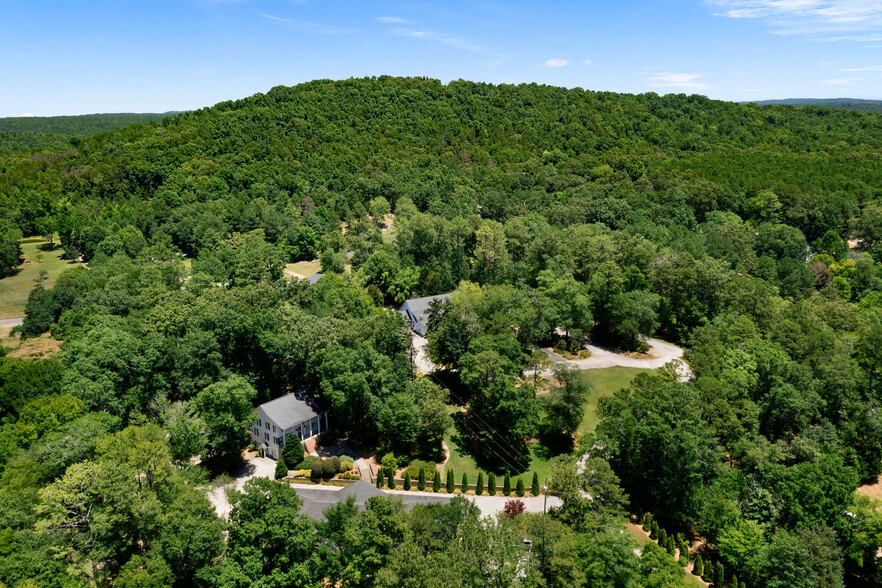
At Kingston Wellness Retreat in Bartow County, Georgia, our forty-one-bed residential mental health program integrates these modalities as clinical tools rather than as decorative spa amenities. The distinction matters.
Why Trauma Lives in the Body
The clinical literature on trauma over the past three decades has consistently demonstrated that traumatic experiences alter the autonomic nervous system in ways that cognitive insight alone cannot fully reverse. The brain’s threat-detection circuitry — the amygdala, the locus coeruleus, the sympathetic nervous system more broadly — adapts to chronic threat exposure and continues firing even after the threat has passed.
The result is a body that remains in a state of low-grade hyperarousal long after the original traumatic event. Sleep that does not come. Vigilance that does not lift. A startle response that fires on grocery-store doors and innocuous sounds.
Why Talk Therapy Reaches Only Part of the Picture
Cognitive behavioral therapy and the other evidence-based modalities work on the cognitive layer of trauma response. They are essential — and they are often insufficient by themselves for adults whose nervous systems have been recalibrated by sustained trauma exposure.
The somatic layer requires somatic interventions. Yoga, somatic therapy, biosound, breathwork, and the body-based modalities, including the ones we cover here, all aim to access the nervous system directly rather than through cognition.
How Contrast Thermal Therapy Works
Contrast thermal therapy alternates between heat exposure (typically a sauna or hot soak) and cold exposure (typically a cold plunge or cold shower). The physiological mechanism involves the vagus nerve, the parasympathetic recovery response, and the activation of brown adipose tissue that follows cold exposure.
The Vagal Tone Effect
Cold exposure specifically stimulates the vagus nerve, which mediates the parasympathetic “rest and digest” response. Repeated, controlled cold exposure has been documented to increase vagal tone, which correlates with improved emotional regulation, lower baseline anxiety, and better stress recovery.
The Norepinephrine and Mood Effect
Cold plunge exposure produces a documented spike in norepinephrine and dopamine, both of which support mood and focus. The effect is durable — adults who incorporate regular cold exposure often report sustained mood improvements that persist beyond the immediate post-plunge window.
Heat Shock Proteins and Inflammation
Sauna exposure produces heat shock protein activation, which has been associated with reduced systemic inflammation. Since chronic inflammation has been identified as a contributor to depression and anxiety, the anti-inflammatory effect of sauna may support the broader mental health picture for adults whose conditions have inflammatory components.
Learn More: Contrast Therapy Benefits – Why Cold Plunge and Sauna Support Mental Health
How These Modalities Fit Trauma Recovery Specifically
For adults working through trauma, the goal of body-based interventions is to teach the nervous system that it is safe to settle. The clinical work happens at the intersection of the conscious choice to enter the sauna or cold plunge and the autonomic response that follows.
Tolerance Building for Discomfort
A cold plunge, in particular, produces a controlled, time-limited discomfort that the resident chooses to enter and remain in. The clinical translation — the recognition that discomfort can be tolerated and survived — directly addresses the avoidance patterns that trauma typically produces.
Sleep Architecture Improvement
Sustained sauna use, particularly in the evening, has been shown to support deeper sleep and improved sleep architecture. For trauma survivors whose sleep has been disrupted for years, the sleep improvement alone meaningfully supports the broader clinical work.
Anxiety and Panic Reduction
The acute anxiety reduction following sauna or cold plunge sessions is well documented in self-reported data. The mechanism likely involves both the autonomic regulation and the cognitive recognition that the body has just done something difficult and has emerged calmer.
The Kingston Wellness Retreat Approach
The spa at Kingston includes a sauna and a cold plunge integrated into the broader clinical program. They are not available on demand or as a stand-alone wellness perk.
Integration With the Clinical Program
Spa sessions are used in coordination with the resident’s individual treatment plan, supervised by the clinical team, and sequenced with somatic therapy, trauma-informed yoga, neurofeedback, biosound, and Alpha-Stim.
For residents in our PTSD treatment and complex PTSD treatment tracks, the spa modalities are typically introduced gradually, after foundational somatic and grounding work, so that the body has already begun to build the capacity to tolerate the sensation.
Medical Clearance and Contraindications
Our medical team and on-site nurse practitioner review each resident’s clearance for heat and cold exposure as part of the intake process. Cardiac conditions, certain blood pressure medications, pregnancy, and several other factors may modify or contraindicate participation.
The Broader Kingston Clinical Model
The spa modalities are one piece of a larger clinical toolkit at our Bartow County campus.
- Individual Therapy: Weekly sessions with a master-level clinician throughout the residential stay.
- Group Programming: Daily evidence-based group therapy with trauma-informed clinical leadership.
- Cognitive Behavioral and Dialectical Behavior Therapy: Evidence-based foundations of daily clinical work.
- Somatic and Trauma-Informed Yoga: Body-based interventions for adults whose trauma sits in the body.
- Neurofeedback and Biosound Therapy: Brain training and vibroacoustic resonance.
- Alpha-Stim Cranial Electrotherapy: FDA-cleared non-pharmacological support for anxiety, insomnia, and depression.
Insurance Coverage at Kingston Wellness Retreat
We are in-network with Cigna, Aetna, and several other major commercial carriers. Begin a confidential benefits verification through our insurance navigation page.
Begin Trauma-Informed Residential Care at Kingston
If years of trauma work have not been enough to bring the body along, yours or the body of someone you have been worried about, that is not therapy failing. You may need a different layer of care, one that treats the nervous system directly.
Kingston Wellness Retreat offers residential mental health treatment for adults in a quiet, retreat-style estate in northwest Georgia, with a clinical program that integrates somatic therapy, trauma-informed yoga, neurofeedback, biosound, and supervised contrast therapy.
To talk with our admissions team about whether Kingston might be the right setting for your healing, visit our admissions page or request a private tour of the estate.
FAQs About Spa Therapies and Trauma Processing at Kingston Wellness
For most adults, yes. Cold plunge and sauna sessions are well tolerated once medical clearance has been confirmed. Cardiac conditions, certain medications, pregnancy, and several other factors may modify or contraindicate participation, which is why our medical team reviews each resident’s profile during intake.
No. The spa modalities are integrated alongside evidence-based trauma therapy — individual sessions with a master-level clinician, group programming, somatic therapy, and other clinical foundations of trauma work. The body-based interventions support the broader clinical work, not replace it.
Frequency is set by the clinical team based on the individualized care plan, the resident’s medical clearance, and the broader trauma work sequence. For residents in trauma tracks, the spa modalities are typically introduced after foundational somatic and grounding work has begun.
Sources
- National Institutes of Health. (2024). PubMed Central research literature. Retrieved from: https://pmc.ncbi.nlm.nih.gov/. Accessed on May 21, 2026.
- National Institute of Mental Health. (2024). Mental illness statistics. Retrieved from: https://www.nimh.nih.gov/health/statistics/mental-illness. Accessed on May 21, 2026.
- American Psychiatric Association. (2024). American Psychiatric Association. Retrieved from: https://www.psychiatry.org/. Accessed on May 21, 2026.
- Substance Abuse and Mental Health Services Administration. (2024). FindTreatment.gov. Retrieved from: https://findtreatment.gov/. Accessed on May 21, 2026.