
Why Residential Mental Health Treatment Works in Part Because of the Quiet, Consistent Presence of a Specialized Nursing Team
National Nurses Month, observed every May around Florence Nightingale’s birthday, focuses public attention on the work of the more than 5 million registered nurses, licensed practical nurses, and nurse practitioners who shoulder the day-to-day burden of American healthcare.
For residential mental health treatment specifically, the role of nursing is less visible than in a hospital setting but no less essential. The nurse is on the floor at three in the morning when a resident cannot sleep. The medication pass that doubles as a quiet check-in. The mental status note that catches a subtle shift before it becomes a crisis. This is the heart that beats underneath the deeper therapeutic work.
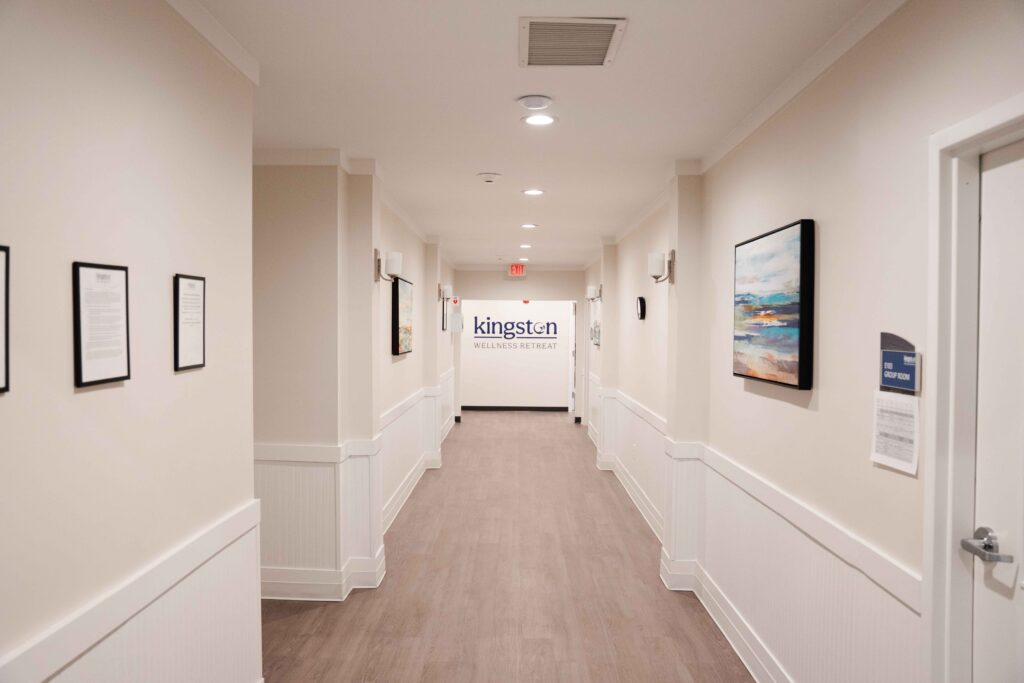
At Kingston Wellness Retreat, our forty-one-bed residential mental health program on a historic eleven-acre estate in Kingston, Georgia, the nursing team is the connective tissue that holds the rest of the clinical model together.
What Residential Mental Health Nursing Actually Does
The day-to-day of residential mental health nursing looks different from the hospital-floor nursing that dominates the public imagination of the profession. The acuity is different. The pace is different. The relationship with the patient — usually called a resident or guest — runs over weeks rather than shifts.
Daily Clinical Work
Vitals on a documented schedule. Medication administration, with careful attention to side effects and interactions. Mental status checks throughout the day. Communication with the prescribing psychiatrist or nurse practitioner. Documentation that feeds the daily clinical team meeting.
The Quiet Triage Function
The nurse, seeing a resident every morning, notices the changes the resident cannot articulate. Sleep that did not come. Appetite has dropped. A withdrawal from group programming that was full participation the week before. These observations route to the clinical team and shape the next adjustment to the treatment plan.
Crisis Response Preparedness
Residential settings handle acute moments that do not require inpatient transfer — a panic episode, a flashback, a sudden mood swing, a side effect that needs immediate attention. The nursing team’s training and presence are what keep those moments from escalating.
Why Nursing Looks Different in a Retreat-Style Residential Setting
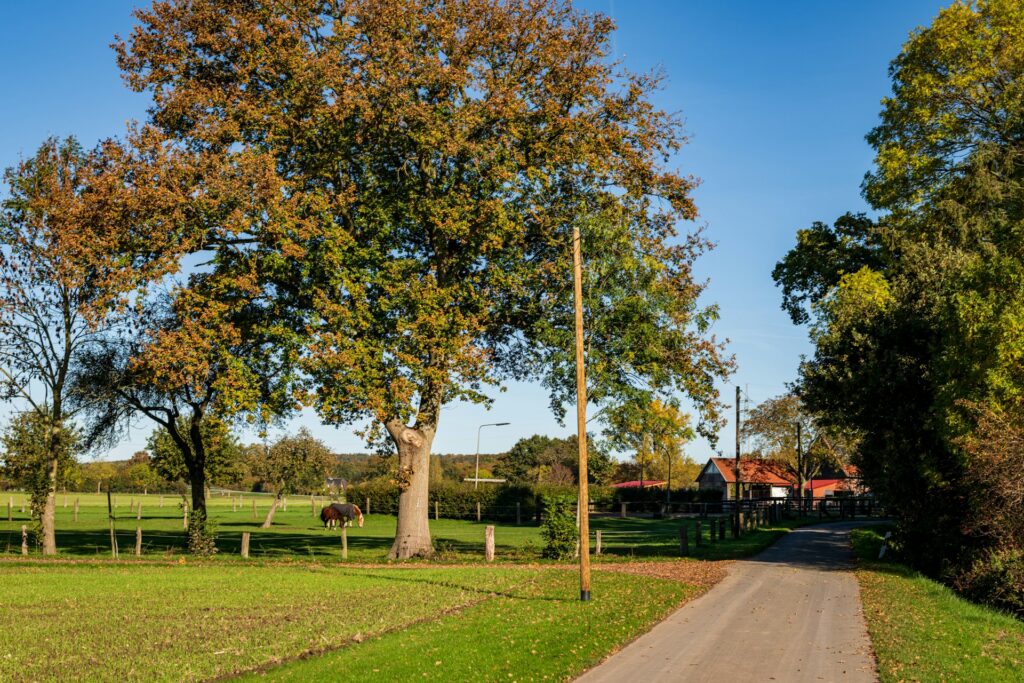
Our residential program is built around the idea that the environment itself is a co-therapist. The 1881 historic estate, the eleven acres of wooded grounds, the deliberate quiet of Bartow County compared to urban hospital settings — these are clinical assets, not amenities.
The Smaller Bed Count Matters
A forty-one-bed program allows the nursing team to know each resident as an individual rather than as a chart. The medication pass becomes a relationship rather than a transaction. The mental status conversation becomes a real exchange rather than a checklist.
Continuity of Care Across Weeks
Hospital nursing rotates frequently. Residential nursing in a smaller setting often involves the same nurses throughout a resident’s stay. That continuity matters clinically — a nurse who has known a resident for three weeks recognizes shifts that a new nurse would miss.
The Kingston Wellness Retreat Clinical Model
Our nursing team supports a clinical model built for adults with serious mental health conditions whose stability requires more than weekly outpatient therapy can provide.
Specialized Programming
- Mood Disorder Treatment: Including depression, bipolar disorder, and other mood conditions requiring sustained stabilization.
- Complex PTSD: Trauma-informed residential programming for adults whose trauma history is layered or chronic.
- Anxiety Disorder Treatment: Including panic disorder and severe generalized anxiety that has resisted outpatient care.
- Dual Diagnosis: For adults whose mental health condition co-occurs with substance use.
- Borderline Personality Disorder: Intensive DBT-based programming within the residential structure.
Advanced Therapeutic Modalities
Beyond traditional individual and group therapy, our clinical program integrates Cognitive Behavioral Therapy, Dialectical Behavior Therapy, trauma-informed therapy, Alpha-Stim, Biosound, Neurofeedback, somatic therapy, and red light therapy. Each modality sits on a foundation of medical safety provided by the nursing team.
Insurance Coverage at Kingston Wellness Retreat
Coverage at Kingston varies by plan. We are in-network with Cigna, Aetna, and several other major commercial carriers. Begin a confidential conversation through our insurance navigation page.
Visit Kingston Wellness Retreat
If you or a loved one is considering residential mental health care, we would be honored to talk with you. Kingston Wellness Retreat sits about an hour from Hartsfield-Jackson Atlanta International Airport, along the I-75 corridor through Bartow County, in the quiet between Cartersville and Rome, Georgia.
Our team can walk you through what to expect, how our retreat-style program works, and what a stay looks like from intake through discharge. To begin, please visit our admissions page and check out our tour page to get a feel for our facility.
This Nurses Month, we honor the quiet, consistent work that holds residential mental health care together — and we invite anyone weighing residential treatment to learn what that nursing presence actually looks like inside our walls.
Frequently Asked Questions About Residential Nursing Care
Yes. Kingston Wellness Retreat operates as a residential mental health program with continuous nursing coverage and a clinical team that supports medication management, medical oversight, and day-to-day monitoring. For specific questions about staffing structure or your individual clinical needs, our admissions team can walk you through what to expect.
Hospital psychiatric nursing is built around acute crisis stabilization, typically over three to five days. Residential nursing operates over weeks, in a non-hospital setting, with the goal of supporting sustained therapeutic work rather than immediate crisis management. The relationship with the resident is longer, and the clinical pace is different.
We are in-network with Cigna, Aetna, and several other major commercial carriers. Our admissions team offers a free, no-obligation benefits verification during the first phone call, so you know exactly where your specific plan stands before any commitment.
Sources
- National Institute of Mental Health. (2024). Mental illness statistics. Retrieved from: https://www.nimh.nih.gov/health/statistics/mental-illness. Accessed on May 18, 2026.
- American Psychiatric Association. (2024). American Psychiatric Association. Retrieved from: https://www.psychiatry.org/. Accessed on May 18, 2026.
- National Alliance on Mental Illness. (2024). NAMI. Retrieved from: https://www.nami.org/. Accessed on May 18, 2026.
- American Foundation for Suicide Prevention. (2024). Risk factors, protective factors, and warning signs. Retrieved from: https://afsp.org/risk-factors-protective-factors-and-warning-signs/. Accessed on May 18, 2026.