
Menu
Inpatient Depression Treatment in Kingston, Georgia
When depression stops responding to weekly therapy and starts threatening daily life, a residential setting offers something an appointment cannot: round-the-clock support, distance from triggers, and treatment that does not stop when the hour is up.
Severe depression rarely looks like the word sadness. It looks like a bed that cannot be left, meals that go untouched, and a mind that has not felt safe to live inside for longer than anyone can remember. If that describes you, or describes someone you love, the question has already moved past whether to get help. What matters now is finding a level of help honest enough to match how serious this has become.
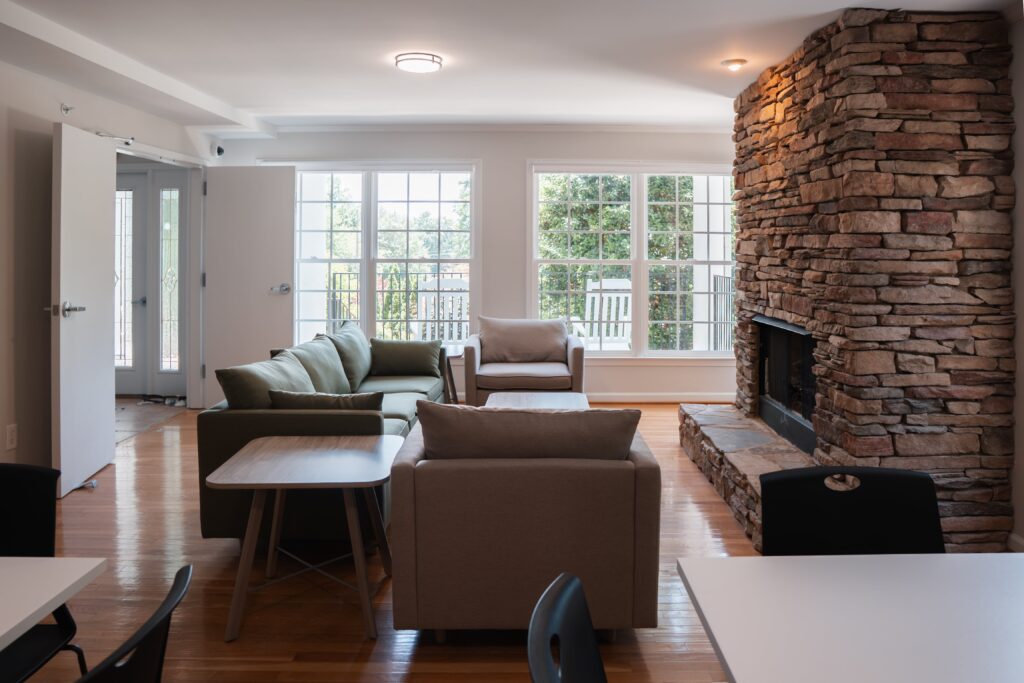
Kingston Wellness Retreat provides residential, inpatient-level depression treatment on a quiet estate in Kingston, Georgia, about an hour northwest of Atlanta in Bartow County. When the phrase “inpatient depression treatment” brings to mind a locked hospital ward, what happens here is different. This is residential mental health care in Georgia, where adults live on-site with 24-hour clinical support, in a setting built to feel like a retreat rather than an institution. It is one part of our broader mood disorder treatment in Georgia, and it exists for the moments when outpatient care is no longer enough.
When Depression Needs More Than Weekly Therapy
Most people start with outpatient care, and for many, it works. You see a therapist once a week, you may take an antidepressant, and over time the weight lifts. Needing more than that is not a failure of effort. For some people, depression sinks below the level that an hour a week can reach, and weekly sessions cannot keep up with how fast the symptoms return.
Depression this deep is far more widespread than the silence around it suggests. The National Institute of Mental Health estimates that around 21 million American adults had at least one major depressive episode in a recent year, and that many of those episodes brought severe impairment to work, relationships, and the ability to function day to day. Major depressive disorder, including severe episodes, is a medical condition, not a character flaw or a failure of willpower, and it responds to the right level of care the way other serious illnesses do.
Inpatient-level care becomes the honest answer when certain things are true. You may recognize some of these in yourself or in the person you are reading this for.
- Outpatient treatment is not holding: Weekly therapy and medication have not moved the depression, or it keeps sliding back down between appointments.
- Daily life has stopped: Eating, sleeping, bathing, working, and caring for children or a home have become difficult or impossible to manage alone.
- Safety is a concern: There are thoughts of not wanting to be alive, of not waking up, or of self-harm, even quiet ones that come and go. Care for suicidal thoughts is part of what residential treatment is built to hold.
- Home itself is part of the problem: The environment is full of stress, conflict, or reminders that keep the nervous system on high alert and make recovery harder.
What “Inpatient” Means at a Residential Retreat
Words matter when you are scared, so it helps to be precise about what kind of care this is. People often search for “inpatient depression treatment” when what they need is residential care, where a person lives at the treatment center full time. Kingston is a residential treatment center, not a locked psychiatric hospital. That distinction shapes what the days feel like, how long a stay tends to run, and who the setting is built for.
A psychiatric hospital is designed for acute crisis stabilization, often for a short stay measured in days. Residential treatment is designed for the deeper, slower work that comes after the immediate danger has passed, or for depression that is severe and stuck but does not require a hospital floor. If you want to understand the difference in plain terms, our explainer on the difference between a psych ward and a mental health facility goes through it carefully.
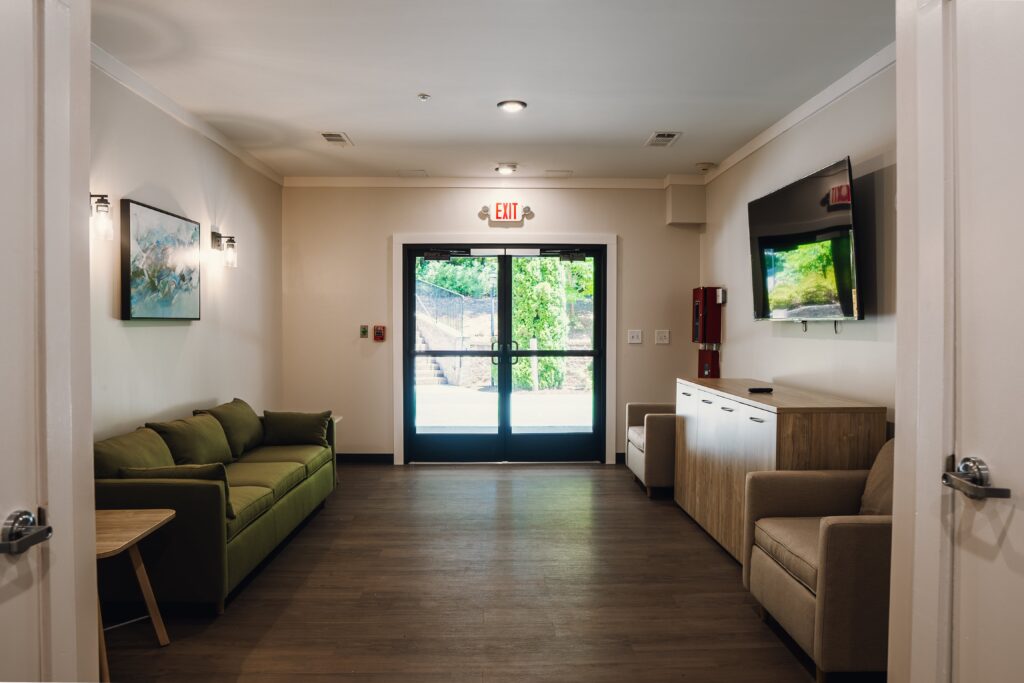
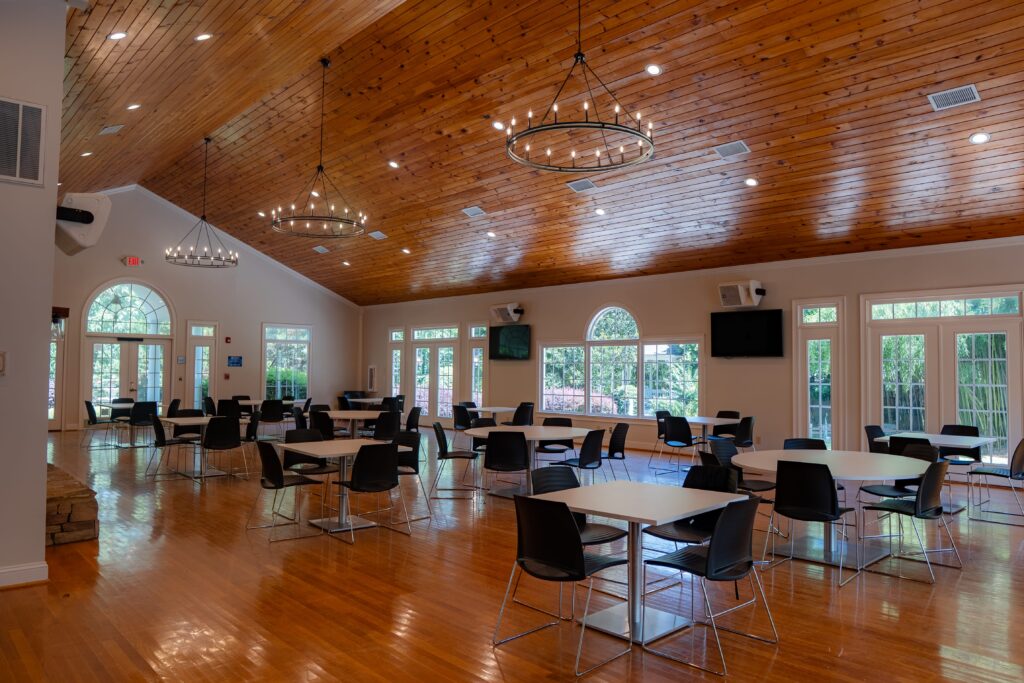
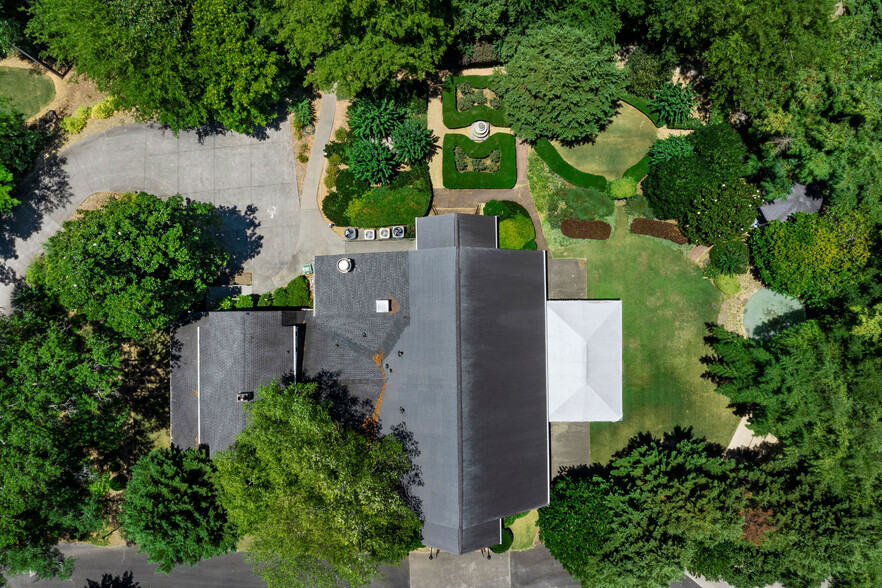
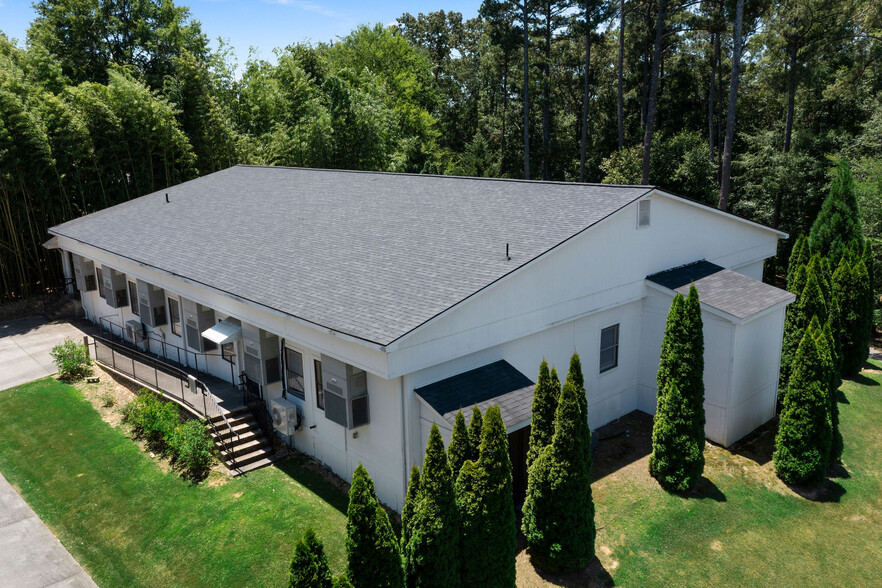
At Kingston, residential care means living on an estate with 41 beds, with a set daily schedule and staff support, so treatment does not depend on motivation alone. The setting is intentionally quiet and private. For adults who have spent months pushing through depression while keeping up appearances, being away from work, conflict, and constant obligations can create space to sleep, attend therapy, and take part in medication changes.
What a Residential Program Provides
The reason residential care reaches depression that outpatient cannot is that it removes the gaps. Treatment does not stop when the hour is up, and you do not go home at night to the same environment that has been making things worse. Four things, working together, make that possible.
Round-the-Clock Support
The hardest hours of depression are rarely during a scheduled appointment. They come at 3 a.m., or on a Sunday, or in the long flat stretch of an afternoon. Living on-site means clinical support is present through all of it, not just during business hours. For a family member who has been sleeping with one ear open for months, afraid of what they might find, that continuous presence is often the first full night of rest in a long time.
Medication Management
Many people with severe depression have already tried one antidepressant, sometimes several, with disappointing results. A residential setting allows for careful, closely watched psychiatric medication management, where our medical team can start, adjust, or change medications and actually observe how the body and mood respond day by day. We also offer pharmacogenetic testing, which looks at how a person’s genes affect the way they process certain medications, which may help clinicians understand medication metabolism and side-effect risk, while still requiring symptom tracking and clinical judgment.
Intensive Therapy
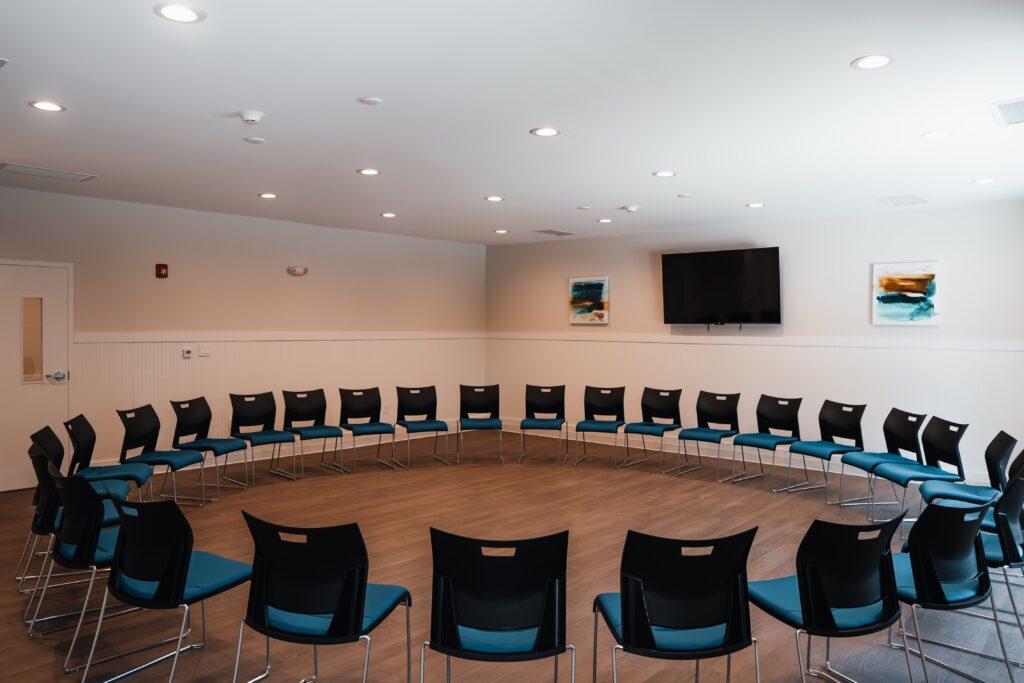
Instead of one therapy hour a week, residential treatment delivers structured therapy most days. The work draws on approaches with strong research support, including Cognitive-Behavioral Therapy, which helps a person notice and change the thought patterns that feed depression, and Dialectical Behavior Therapy, which builds concrete skills for surviving overwhelming emotions and staying safe. Individual therapy, group therapy, and family therapy each have a place, because depression rarely sits in a person alone. It sits in their relationships too.
Respite From Triggers
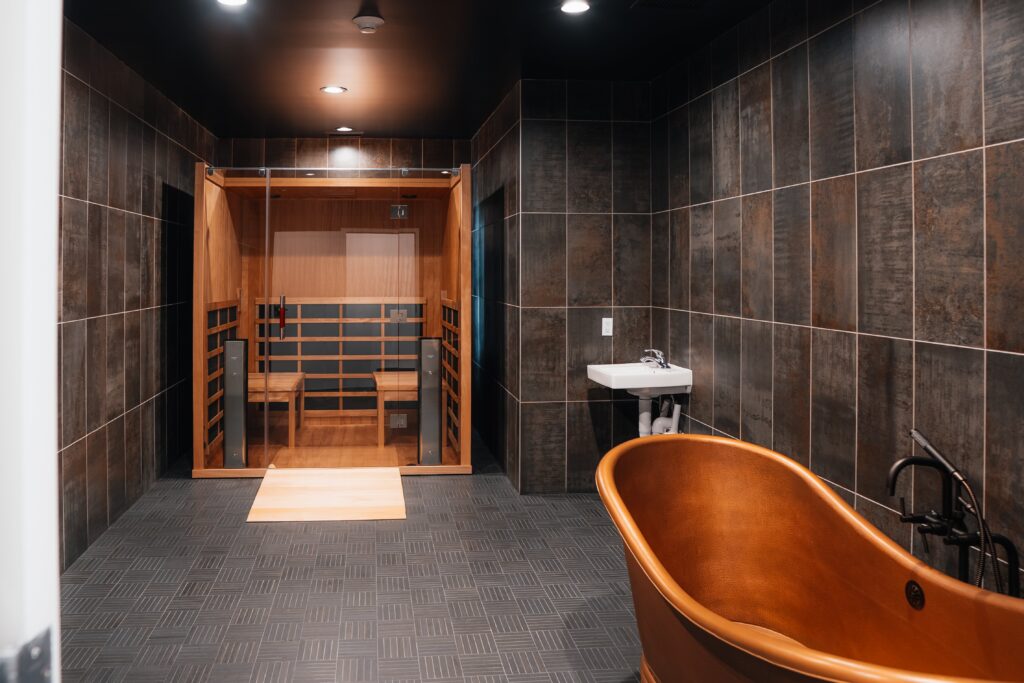
You cannot heal a nervous system that is constantly bracing. One of the quiet powers of a residential setting is simple distance from the job, the conflict, the household chaos, the phone that never stops. Kingston sits on a private estate in rural Bartow County, with grounds, a spa with a sauna and cold plunge, and space to be outside. For depression, lower daily stress can make it easier to sleep, focus in therapy, and stay with a medication plan.
Treatment-Resistant Depression and Co-Occurring Conditions
If you have tried medication after medication and still feel the floor of depression under everything, you are not beyond help, and you are not making it up. When two or more antidepressants have failed to bring meaningful relief, clinicians call it treatment-resistant depression, and it calls for a different and more layered approach than simply trying one more pill.
Part of that approach at Kingston includes Neurofeedback, a non-medication therapy that trains the brain’s own activity patterns over time, which may be offered as a supportive, non-medication service alongside medication management and evidence-based therapy. Our work on treatment-resistant depression and neurofeedback describes how that fits into a fuller plan. We pair it with proven talk therapy, careful medication work, and therapies for the body such as somatic therapy and trauma-informed yoga.
Depression also rarely travels alone. It often arrives tangled with anxiety, trauma, or substance use, and treating only one piece tends to leave the others to undo the progress. Our dual diagnosis treatment in Kingston addresses co-occurring conditions together, in one place, with one team, so that nothing falls through the cracks between providers.
A Retreat Setting an Hour From Atlanta
Leaving home to get well can feel like one more impossible task on top of an already impossible week. It helps to reframe what the distance actually does. Putting space between yourself and the environment that has been fueling the depression is often what lets recovery finally get traction. For many people it is the first real step.
Kingston is reachable and still genuinely set apart. We are off US-411 near Cartersville, a straightforward drive up I-75 from metro Atlanta, and roughly an hour from Hartsfield-Jackson Atlanta International Airport for families coming from farther away. We regularly welcome adults from Rome, Cartersville, Marietta, and across the greater Atlanta area. It is close enough for family to stay involved and far enough to step away from daily pressures.
Care at Kingston is for adults, and we serve clients aged 69 and under. The estate setting, the smaller community of residents, and the privacy of rural Bartow County make this a fitting choice for people who need depression treated seriously without feeling like a number on a hospital ward.
Mental Health Treatment

Clinical Director
Last Updated on June 19, 2026
Get Help Now
If you or a loved one is struggling with mental health issues or dual diagnosis disorders and seeking a balanced approach to recovery, we can help.


Begin Inpatient Depression Treatment at Kingston
If you have read this far, you are likely the one carrying this, whether that means living with depression that will not lift or loving someone whose life has grown harder than it should be. Either way, you do not have to figure out the next step by yourself. Reaching out does not commit you to anything except a conversation. When you connect with our team through the Kingston admissions page, we will go through what residential treatment looks like, answer your questions honestly, and review your insurance and coverage options so you know where you stand. The conversation moves at your pace, and nothing is decided on the first call. And if you or someone you love is in immediate danger or having thoughts of suicide right now, please call or text the 988 Suicide and Crisis Lifeline, which is available any time.
Our Mental Health Specialists
Testimonials
Mental Health Programs
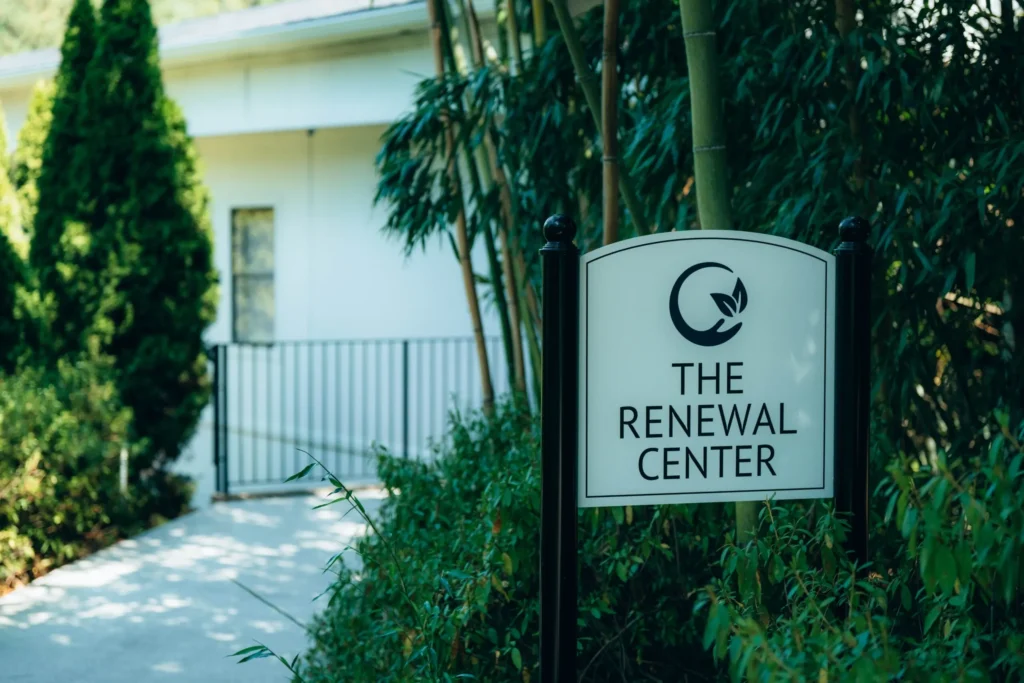
At Kingston Wellness, our mental health treatment programs are aimed at providing maximum healing and comfort, so you can recover in peace.
Tour Our Facility
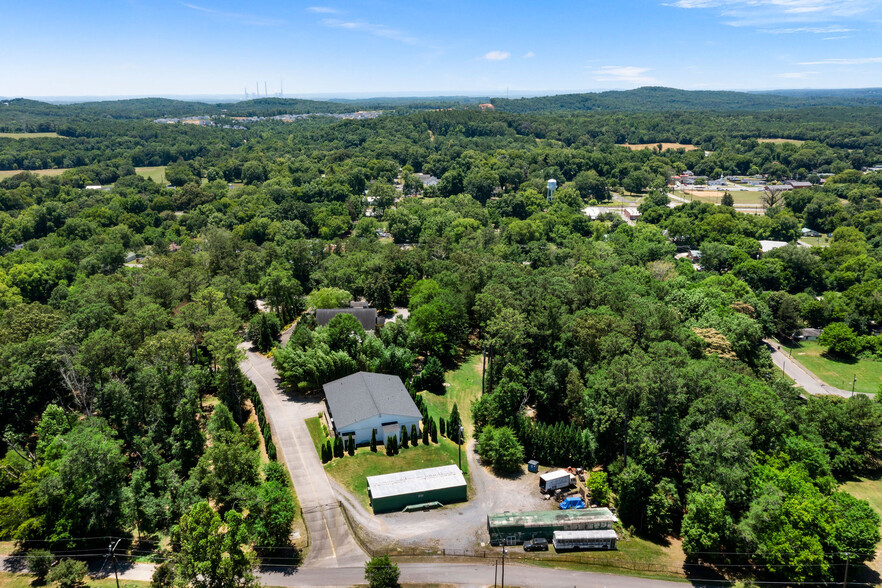
Located in the scenic heart of Georgia, our facility offers access to the natural beauty and soothing mountains of North Georgia.
FAQs About Inpatient Depression Treatment in Kingston, GA
What is the difference between inpatient and residential depression treatment?
People often use the words interchangeably, and at Kingston they describe the same idea: living at the treatment center full time with round-the-clock clinical support. The more precise distinction is between a psychiatric hospital and a residential treatment center. A psychiatric hospital handles short, acute crisis stabilization, often measured in days. A residential program like Kingston is built for the deeper, longer work of treating severe depression in a calm, retreat-style setting rather than a locked hospital floor.
How do I know if someone needs inpatient depression treatment instead of outpatient therapy?
Residential care is usually the right answer when outpatient treatment has not been enough. Signs include depression that does not improve with weekly therapy and medication, an inability to manage basic daily tasks like eating and sleeping, thoughts of suicide or self-harm, or a home environment that keeps making things worse. A clinical assessment can help sort out the right level of care, and our team can talk through your specific situation when you reach out.
Does Kingston treat depression that has not responded to medication?
Yes. When two or more antidepressants have failed to bring real relief, it is often called treatment-resistant depression, and it calls for a more layered plan. Kingston combines closely watched medication management and pharmacogenetic testing with non-medication therapies, including Neurofeedback, which trains the brain’s own activity patterns over time, alongside proven talk therapies such as CBT and DBT.
Sources
- National Institute of Mental Health. (n.d.). Major depression. Retrieved from: https://www.nimh.nih.gov/health/statistics/major-depression. Accessed on June 19, 2026.
- National Institute of Mental Health. (n.d.). Mental illness. Retrieved from: https://www.nimh.nih.gov/health/statistics/mental-illness. Accessed on June 19, 2026.
- American Psychiatric Association. (n.d.). American Psychiatric Association. Retrieved from: https://www.psychiatry.org/. Accessed on June 19, 2026.
- National Alliance on Mental Illness. (n.d.). NAMI: National Alliance on Mental Illness. Retrieved from: https://www.nami.org/. Accessed on June 19, 2026.
- 988 Suicide & Crisis Lifeline. (n.d.). 988 Suicide & Crisis Lifeline. Retrieved from: https://988lifeline.org/. Accessed on June 19, 2026.