
Menu
A Private Mental Health Retreat Serving North Carolina Residents
Residential mental health treatment for North Carolina residents at Kingston Wellness Retreat, a private retreat in NW Georgia. See who travels and why.
Kingston Wellness Retreat sits on a quiet campus in northwest Georgia, a few hours from the mountains of western North Carolina. For many people in the Asheville corridor, leaving home is where the healing starts.
Clinically reviewed by the Kingston Wellness Retreat clinical team · July 2026
It is late, the house has gone quiet, and you are reading this from somewhere in the mountains of western North Carolina. Maybe Asheville, maybe a smaller town off Interstate 40 where the nearest residential bed is either full or a long way off. The person you are worried about may be asleep down the hall. It may be you, up again, doing the quiet math on whether it is time to leave home to get well.
Kingston Wellness Retreat is a residential mental health program on a secluded campus in Kingston, Georgia, in the far northwest corner of the state. We are not in North Carolina, and we will always be straight with you about that. What we are is a residential retreat for adults within a half-day’s drive of the Blue Ridge, and a real option for North Carolina residents who need to step out of daily life to do deep work. The communities we serve reach north into the mountains, and the mountains are where many of the people who call us actually live.
Retreats have always drawn people across county and state lines, and that distance is part of the design rather than a problem to apologize for. Stepping out of the environment that has been feeding the anxiety, the depression, or the trauma response is often the first thing that lets an overworked nervous system settle.
Who Travels from North Carolina for Mental Health Care
The people who reach out from North Carolina are usually not looking for the closest option. They are looking for the right one, in a setting quiet enough to actually feel it. North Carolina’s Department of Health and Human Services points residents toward behavioral health services across the state, and for some people the right fit turns out to be a residential program a few hours south of the line.
Western North Carolina is mountain country, and mountain country has long been underserved when it comes to specialized behavioral health care. The Appalachian Regional Commission has documented real health disparities across the region, including gaps in access to mental health and substance use services. For someone in Buncombe, Henderson, Haywood, or Watauga County who needs residential care and cannot find the right fit close to home, a retreat two to three hours away becomes a genuine choice rather than a last resort. Families often begin with local supports like the state chapter of the National Alliance on Mental Illness, then widen the search when the level of care they need is not available nearby.
The people who make this drive tend to share a few things. Some are living with the aftermath of trauma, including complex post-traumatic stress, the kind that builds over years rather than from a single event. Some are managing depression or anxiety that has stopped responding to the usual outpatient rhythm. Some carry a mental health condition alongside substance use, which is treated here as co-occurring conditions, the term federal health agencies use when a mental illness and substance use show up together, rather than as two separate problems. And some simply need privacy, distance from the people and routines that know their business, and enough quiet to hear themselves think.
Why Leaving Home Is Part of the Work
If you have spent months trying to feel better without changing anything about where you sleep, who you see, or what waits in your inbox each morning, you already know how heavy that is. Recovering inside the same walls where the stress lives is a hard ask, and it is not a failure of willpower when it does not work.
The retreat model rests on a straightforward clinical idea: a person’s surroundings shape their nervous system. Constant noise, obligation, and access keep the body in a low, humming state of alert. A retreat setting removes those inputs on purpose, so the work of therapy is not competing with the next notification or the next hard conversation.
In practical terms, that means the fight-or-flight response, the body’s automatic alarm system, finally gets a chance to power down. Sleep improves. Appetite returns. People start to feel the difference between a real threat and an old habit of bracing for one. Trauma of this kind, much of what the National Institute of Mental Health describes under post-traumatic stress, tends to loosen its grip faster when a person is somewhere that feels safe. None of that requires a mountain. It does tend to require distance, and the mountains of North Carolina sit close enough to reach and far enough to matter.
The Drive from the Blue Ridge to Kingston
Logistics matter, especially when someone is not well enough to plan a complicated trip. The route is simple, and that simplicity is a small mercy on a hard day.
From the Asheville area, the drive runs west toward Tennessee and then south into Georgia on Interstate 75, ending in the quiet of Bartow County. Depending on where in western North Carolina you start, it is roughly two and a half to three hours, short enough that a family member can bring the person coming to treatment and be home the same night. From Charlotte, the eastern edge of the region we realistically serve, the trip is closer to four hours by way of Interstate 85. Most people who travel from North Carolina come from the western, mountain counties, which are simply the nearest.
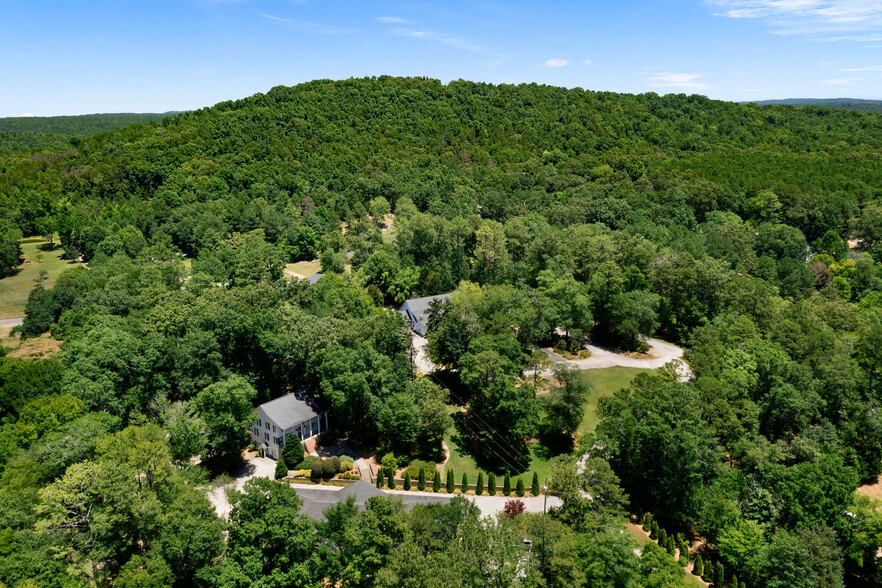
Kingston sits between Rome and Cartersville, along the Etowah River, just off US-411 and a short hop from I-75. It is rural on purpose. The nearest major airport is Hartsfield-Jackson in Atlanta, about an hour south, which matters for out-of-state families who want to fly in for a family therapy weekend. The same corridor that runs up through Rome and into the foothills is one that many North Carolina residents already travel toward the mountains. Here it runs the other direction, toward care.
What the Retreat Offers
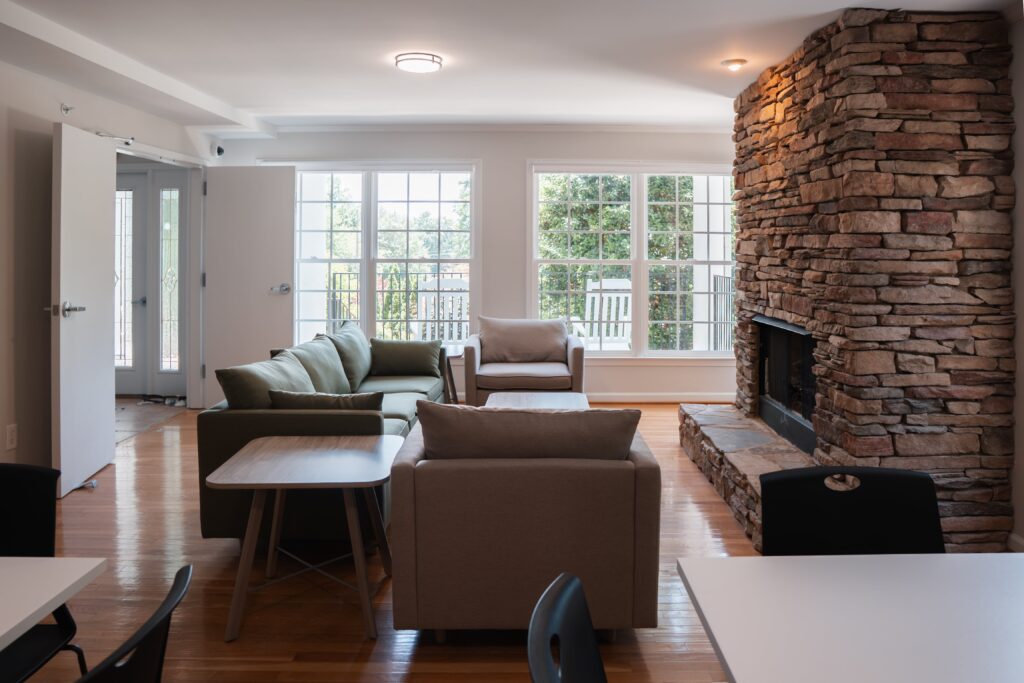
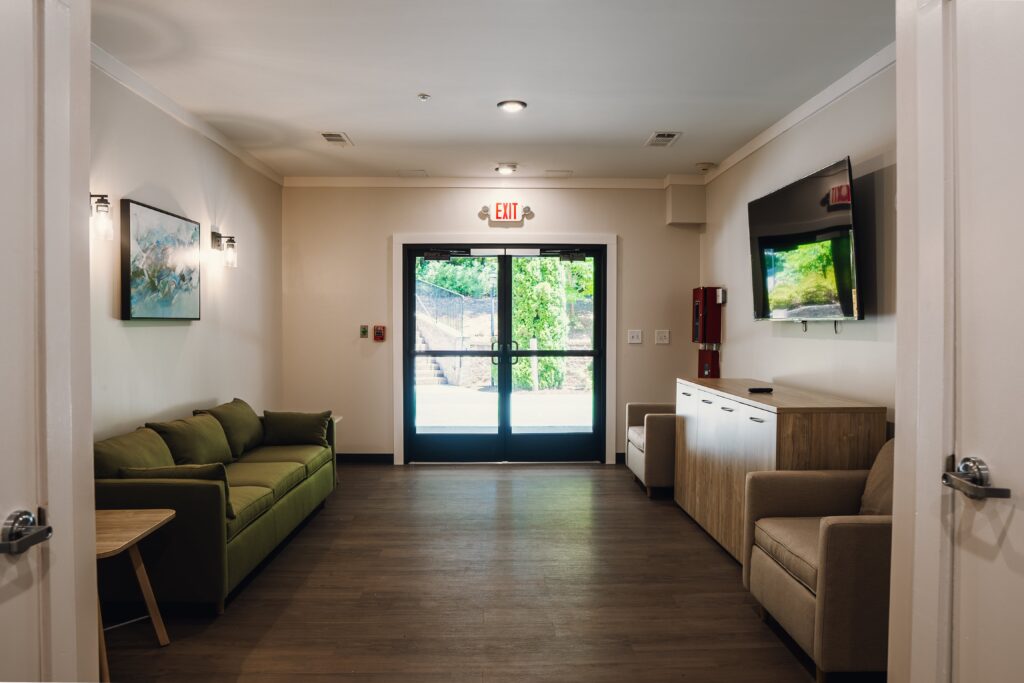
What waits at the end of that drive is not a hospital ward. It is a residential program built for depth, on a campus quiet enough to give the treatment room to work.
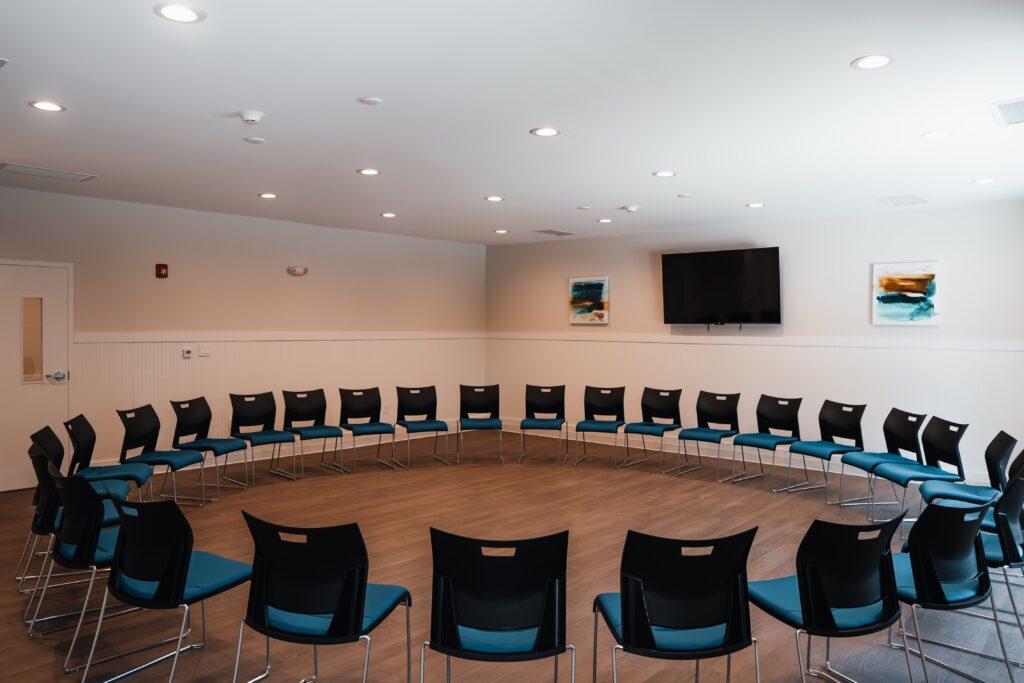
Care here is physician-led and built around each person’s history rather than a single protocol. The retreat’s mental health programs blend established talk therapies with body-based and brain-based approaches, because trauma and mood conditions settle into the body as much as the mind.
- Evidence-based therapy: Cognitive behavioral therapy and dialectical behavior therapy, structured approaches that help people change stuck thought patterns and manage intense emotions.
- Trauma-focused care: Trauma-informed and somatic therapy, which is body-based work for people carrying long-term or complex trauma.
- Brain-based tools: Neurofeedback, biosound therapy, and Alpha-Stim, gentle approaches that aim to calm an overactive nervous system.
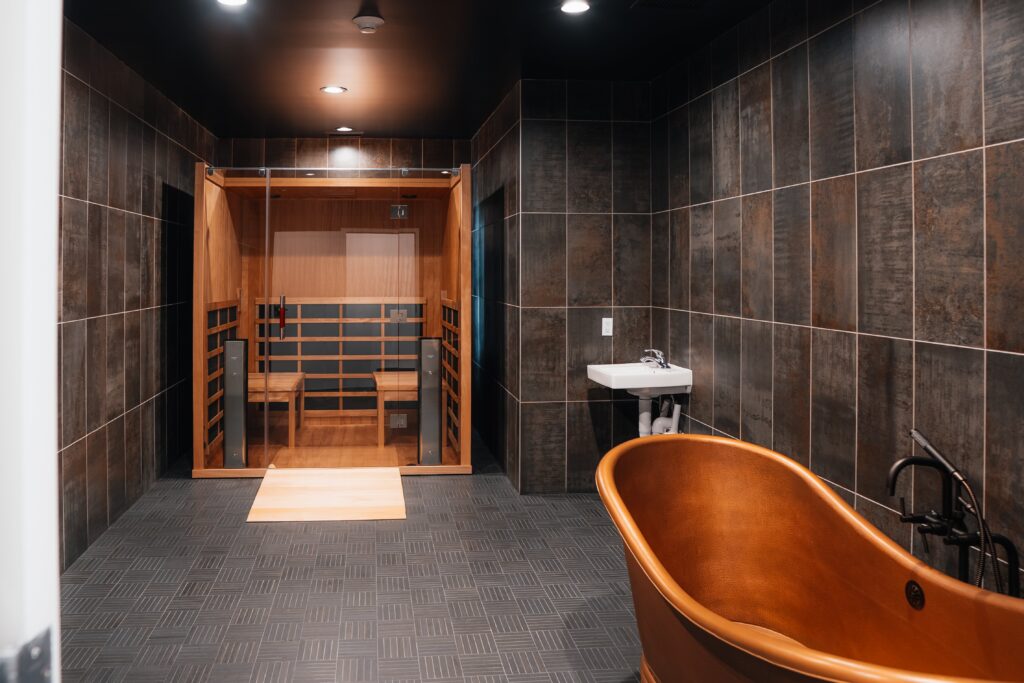
- Whole-person support: A private chef, a spa with a cold plunge and sauna, a gym, and trauma-informed yoga, so the body is cared for while the mind does hard work.
- Family involvement: Family therapy that keeps people connected to home, which matters most when home is a few hours north.
This is residential mental health care for adults, with onsite housing and physician-led medical oversight. It is a treatment program, quieter and more private than a hospital, and built for people who are stable enough to focus on recovery. Anyone who needs medical detox or acute psychiatric stabilization first is helped to arrange that level of care, and the retreat is here for the deeper work once the immediate crisis has passed.
Mental Health Treatment

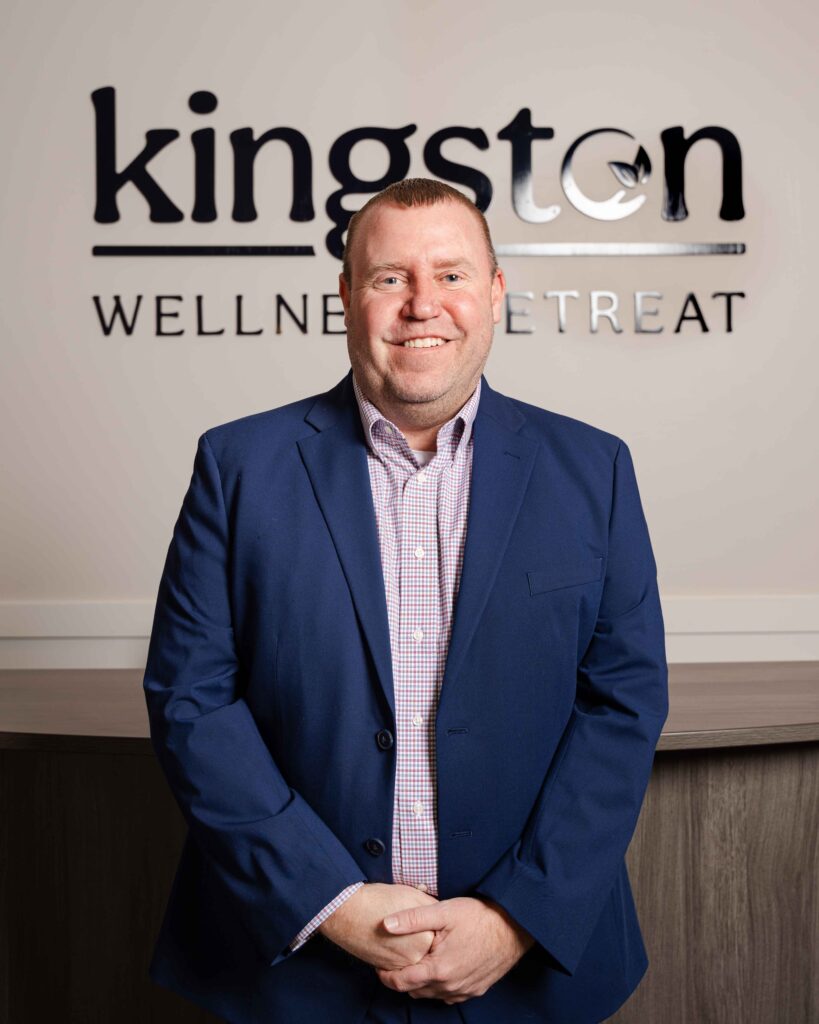
Clinical Director
Last Updated on May 27, 2026
Get Help Now
If you or a loved one is struggling with mental health issues or dual diagnosis disorders and seeking a balanced approach to recovery, we can help.
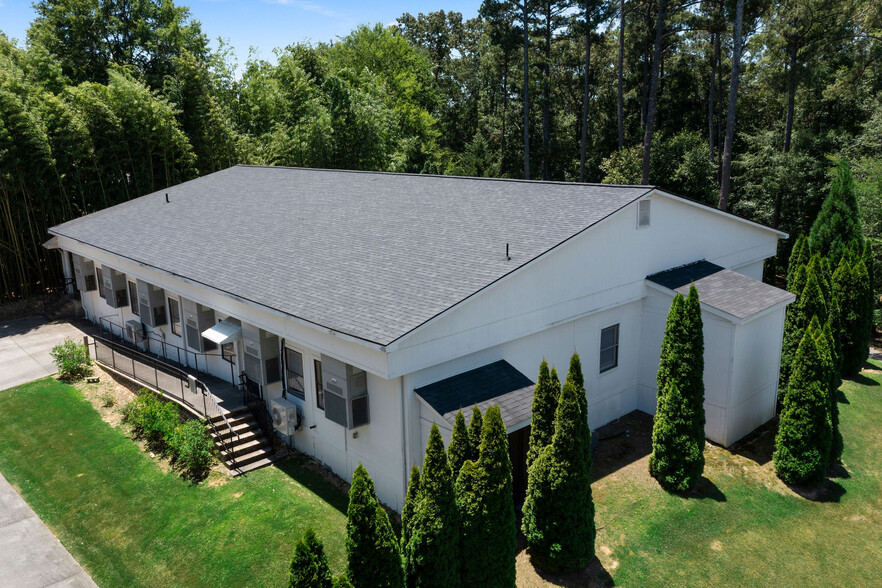
From North Carolina to Kingston Wellness Retreat
If you are the one doing the research after everyone else is asleep, somewhere near Asheville, Boone, or Charlotte, trying to decide whether it is safe and right to make this drive, for someone you love or for yourself, that question deserves a real answer rather than a brochure.
You can reach the retreat through the Kingston Wellness Retreat admissions page, and the admissions team can talk you through what an out-of-state stay actually looks like, from the route to what your insurance will and will not cover.
Kingston is in network with Optum, and many other plans are accepted out of network, so coverage can often travel with you across the state line. The team will tell you plainly where you stand before anyone commits to anything. There is no rush on your end. When you are ready to make the drive, we will be here.
Our Mental Health Specialists


Testimonials
Mental Health Programs
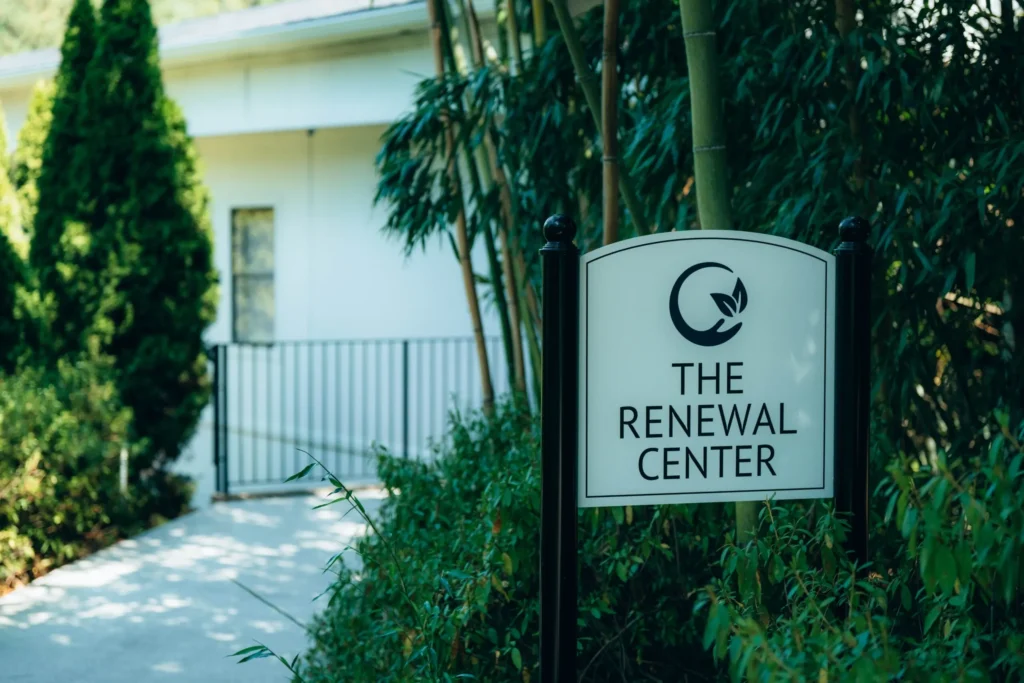
At Kingston Wellness, our mental health treatment programs are aimed at providing maximum healing and comfort, so you can recover in peace.
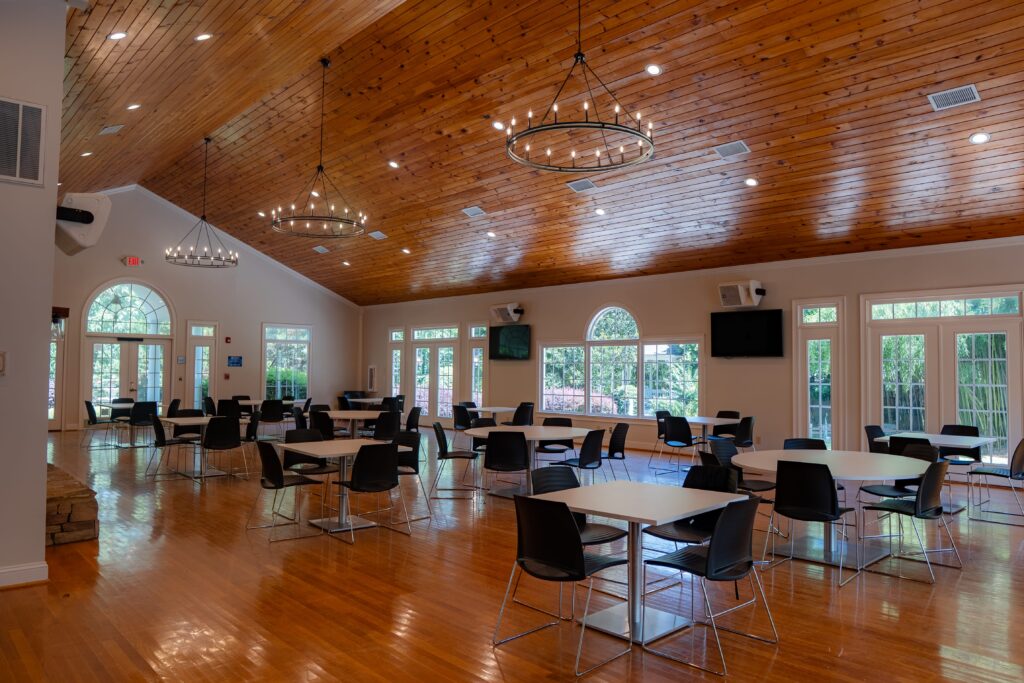
Tour Our Facility
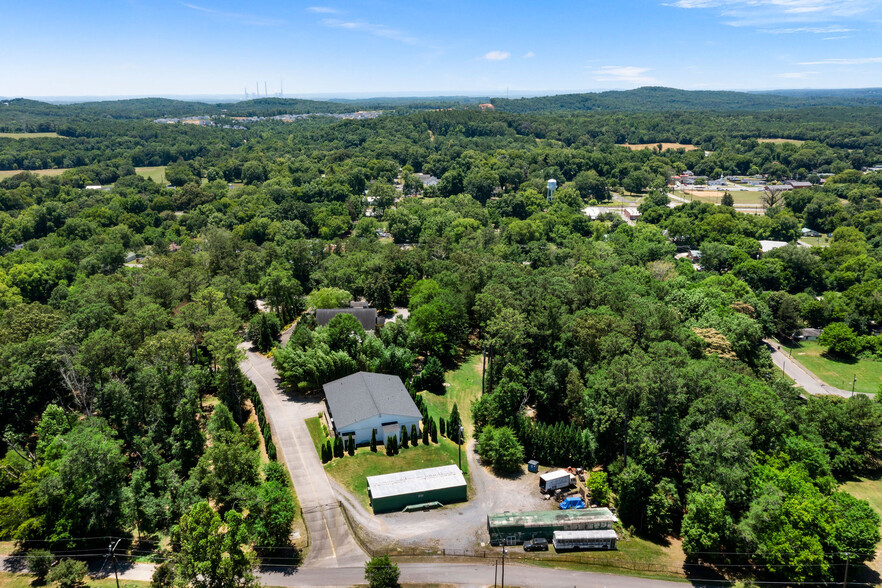
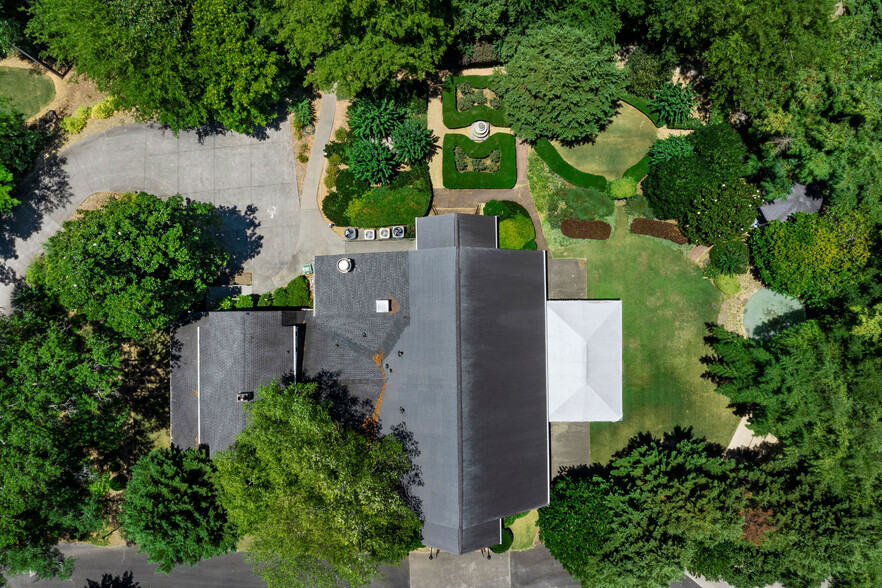
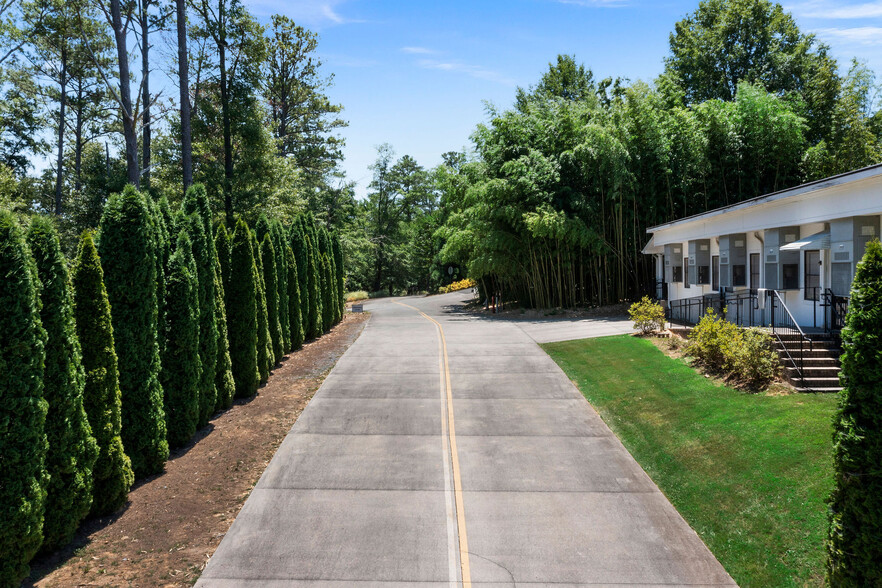
Located in the scenic heart of Georgia, our facility offers access to the natural beauty and soothing mountains of North Georgia.
FAQs About Mental Health Treatment for North Carolina Residents
Is Kingston Wellness Retreat located in North Carolina?
No. Kingston Wellness Retreat is in Kingston, Georgia, in Bartow County in the northwest part of the state. We serve North Carolina residents who choose to travel for residential mental health care, most often from the western, mountain counties, and we are always upfront that the retreat itself sits across the state line in Georgia.
How far is the retreat from Asheville, North Carolina?
From the Asheville area, the drive is roughly two and a half to three hours, running west toward Tennessee and then south into Georgia on Interstate 75. From Charlotte it is closer to four hours by way of Interstate 85. Most people who travel from North Carolina come from the western mountain counties, which are the closest to us.
Will my North Carolina insurance cover treatment in Georgia?
It often can. Kingston Wellness Retreat is in network with Optum, and many other plans are accepted out of network, which means your coverage can travel with you across state lines. Plans purchased through the ACA marketplace are not accepted. The admissions team can verify your specific benefits and tell you what your plan covers before you make any decision.
What mental health conditions does the retreat treat?
Kingston Wellness Retreat provides residential care for adults living with conditions such as depression, anxiety, bipolar disorder, and trauma-related conditions including post-traumatic stress. The retreat also treats mental health conditions that occur alongside substance use, known as co-occurring or dual diagnosis. It does not provide medical detox or emergency psychiatric stabilization; anyone who needs those first is helped to arrange that level of care.
Sources
- North Carolina Department of Health and Human Services. (n.d.). North Carolina Department of Health and Human Services. Retrieved from: https://www.ncdhhs.gov/. Accessed on July 22, 2026.
- NAMI North Carolina. (n.d.). NAMI North Carolina. Retrieved from: https://naminc.org/. Accessed on July 22, 2026.
- Appalachian Regional Commission. (2019). Health disparities related to opioid misuse in Appalachia. Retrieved from: https://www.arc.gov/wp-content/uploads/2020/06/HealthDisparitiesRelatedtoOpioidMisuseinAppalachiaApr2019.pdf. Accessed on July 22, 2026.
- National Institute of Mental Health. (n.d.). Post-traumatic stress disorder (PTSD). Retrieved from: https://www.nimh.nih.gov/health/publications/post-traumatic-stress-disorder-ptsd. Accessed on July 22, 2026.
- Substance Abuse and Mental Health Services Administration. (n.d.). Co-occurring disorders. Retrieved from: https://www.samhsa.gov/substance-use/treatment/co-occurring-disorders. Accessed on July 22, 2026.