The Science of Ecotherapy and the Retreat Model in North Georgia
Modern life is fundamentally at odds with the human nervous system. For residents of the Atlanta metropolitan area, daily life is an endless barrage of sensory input: the gridlock traffic on I-75, the relentless ping of smartphone notifications, the pressure of corporate careers, and the ambient noise of a city of millions. For an individual struggling with severe anxiety, major depression, or Post-Traumatic Stress Disorder (PTSD), this environment is not just exhausting; it is biologically toxic. A traumatized brain is stuck in a state of hypervigilance, constantly scanning for threats. You cannot heal a nervous system that is perpetually under siege.
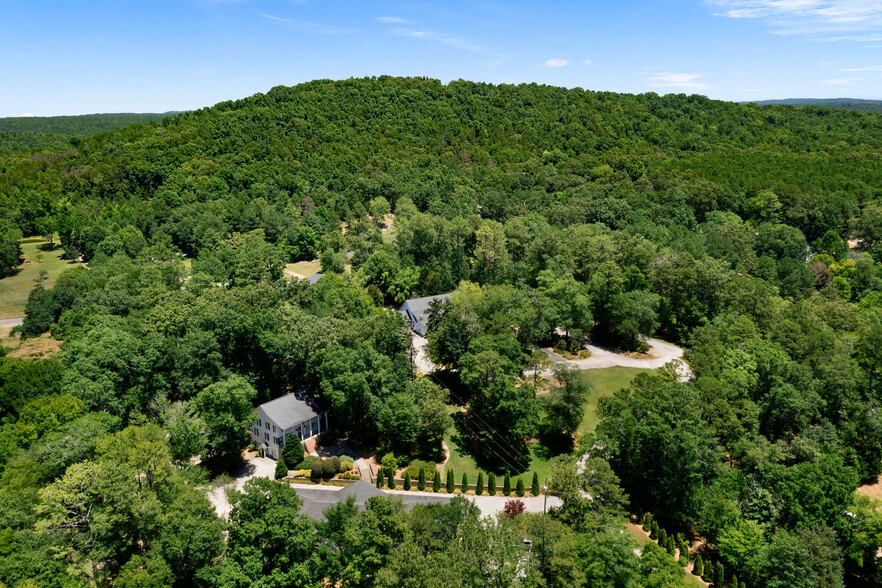
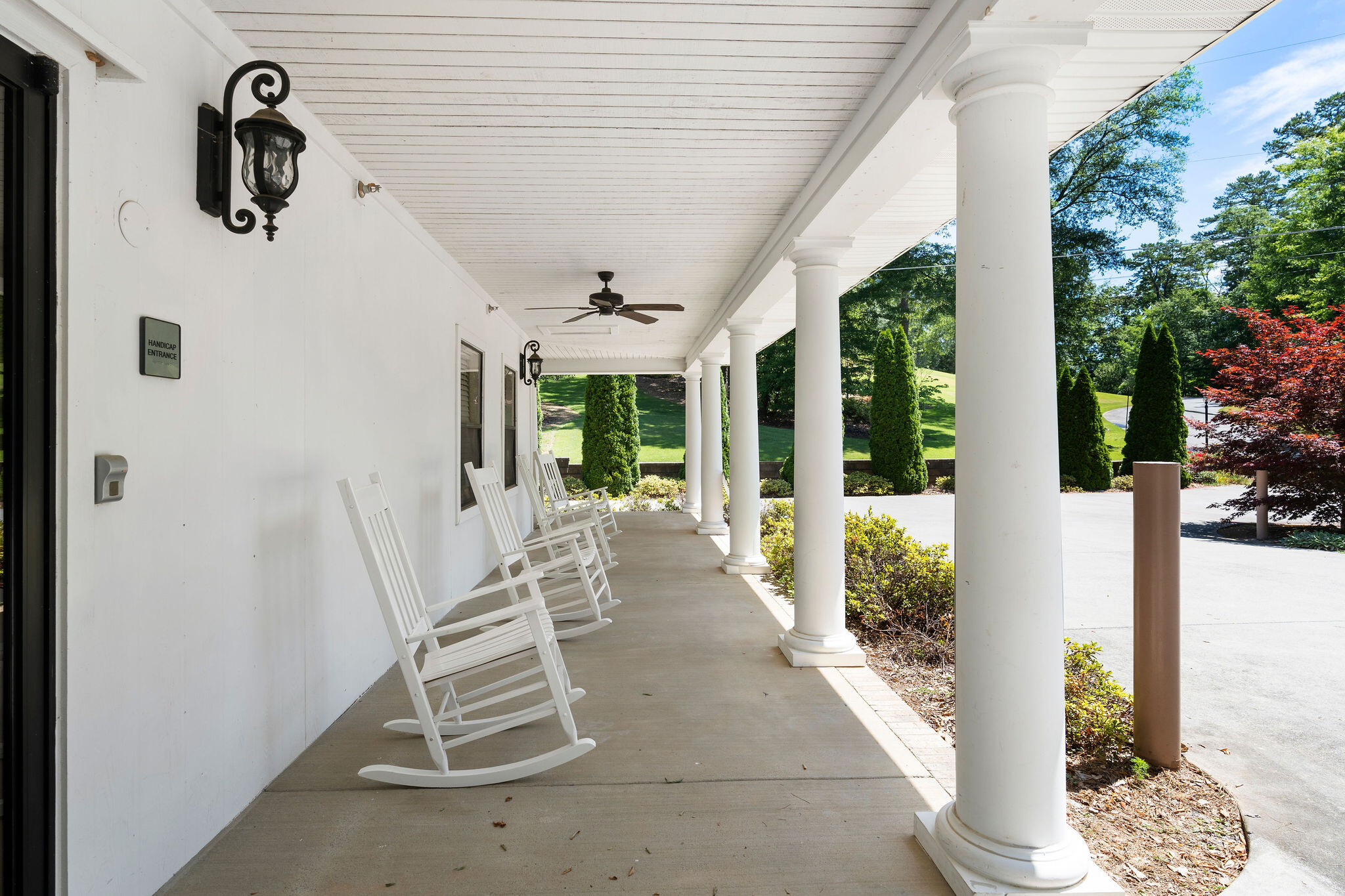
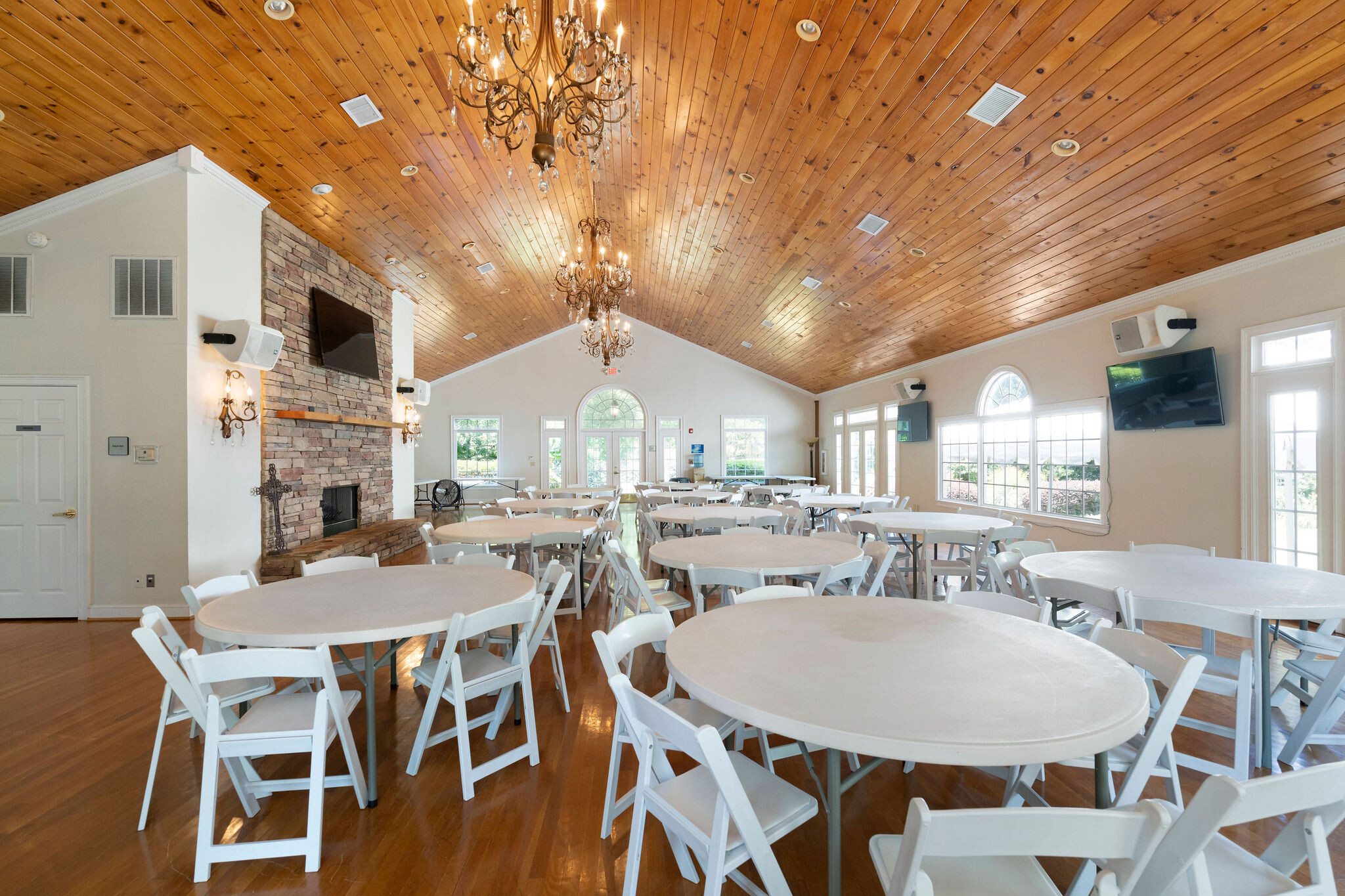
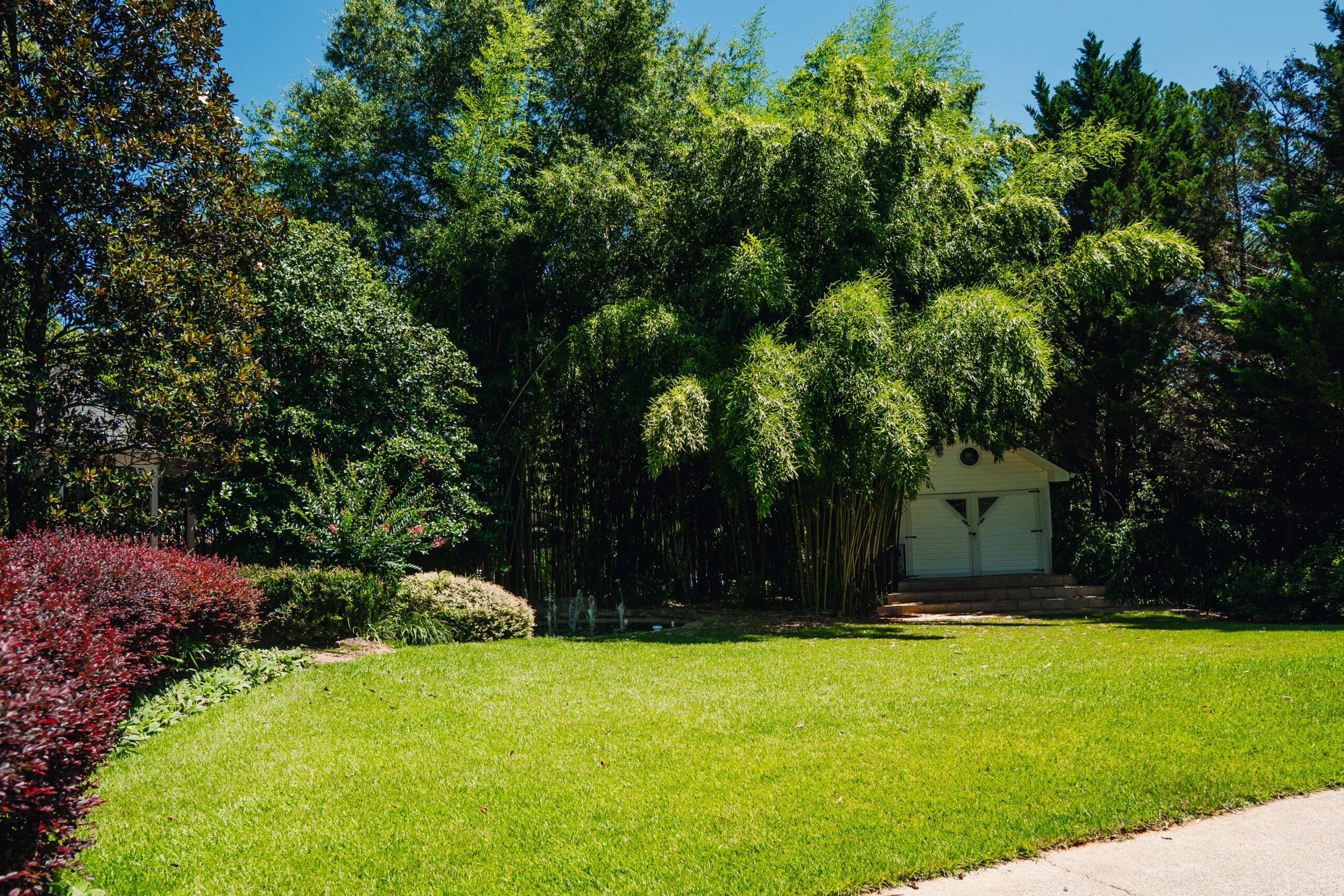
At Kingston Wellness Retreat, we believe that profound psychiatric healing requires a profound change of environment. Located in Bartow County, just far enough from the city to break the cycle of stress, our facility is situated on a historic, 11-acre estate known as “White Columns.” This sprawling, quiet acreage is not simply a nice backdrop for treatment; it is an active, evidence-based clinical modality. The integration of nature into mental health treatment—often referred to as Ecotherapy or Green Care—has powerful, measurable effects on neurobiology. Here is the science behind why our 11 acres of quiet provides the ultimate catalyst for nervous system repair.
The Neurobiology of Urban Stress vs. Natural Calm
To understand why nature heals, we must understand how modern environments harm. The brain’s amygdala is responsible for processing fear and triggering the “fight or flight” response, flooding the body with cortisol and adrenaline. Studies using fMRI scans have shown that individuals living in dense urban environments have significantly more active amygdalas than those in rural settings.
When a person with a mental health disorder enters treatment in a traditional, sterile hospital setting located in a busy city, their amygdala remains active. The fluorescent lights, the alarms, the institutional architecture—these all signal “high alert” to the primitive brain.
Biophilia and the Parasympathetic Shift
Conversely, humans possess “Biophilia,” an innate, evolutionary biological connection to nature. When you step onto the 11 acres of Kingston Wellness Retreat, surrounded by mature trees, open sky, and natural sounds, a rapid biological shift occurs.
- Cortisol Reduction: Exposure to natural environments is clinically proven to drastically lower cortisol (stress hormone) levels within minutes.
- Heart Rate and Blood Pressure: The visual complexity of nature (fractal patterns found in leaves and branches) inherently soothes the brain, leading to measurable drops in resting heart rate and blood pressure.
- Vagal Tone Activation: The quiet of nature stimulates the vagus nerve, which acts as the brake pedal for the nervous system. It shifts the body from the sympathetic (fight/flight) state into the parasympathetic (rest/digest) state. This physical calm is the absolute prerequisite for any deep psychological therapy to take root.
Attention Restoration Theory (ART)
Severe depression and anxiety obliterate cognitive function. Clients often arrive at our facility experiencing profound “brain fog,” unable to concentrate, read, or process complex emotions. This is due to the depletion of “directed attention”—the forced, exhausted focus required to navigate stressful modern life.
Attention Restoration Theory (ART), developed by environmental psychologists, posits that nature engages a different type of attention called “soft fascination.” Watching the wind move through the trees on our estate or listening to the sounds of the North Georgia wildlife holds your attention effortlessly. This effortless engagement allows the brain’s directed attention reserves to rest and replenish. As a result, clients experience improved memory, enhanced problem-solving skills, and a greater capacity to engage in intensive Cognitive Behavioral Therapy (CBT) or trauma processing.
Combining Nature and Neurobiology: Advanced Therapeutics
The magic of the Kingston Wellness Retreat model is that we do not rely on nature alone; we use the peace of our 11-acre estate to amplify the effectiveness of the most advanced psychiatric and holistic therapies available.
Somatic Grounding and Contrast Therapy
Trauma lives in the body. Healing requires reconnecting with physical sensations safely. We utilize the nature and neurobiology in a safe environment alongside our luxury spa, featuring a sauna and cold plunge. After a morning of ecotherapy or trauma-informed yoga on the grounds, engaging in contrast thermal therapy forces the body to build immense distress tolerance and somatic awareness, all within a setting of profound natural beauty.
High-Tech Nervous System Regulation
Because the environment naturally lowers the client’s defensive walls, our high-tech modalities work faster and deeper.
- Neurofeedback: Training the brain to regulate its own electrical activity is far more effective when the brain is not simultaneously fighting off environmental stress. The quiet of the estate provides the perfect baseline for this rewiring.
- Biosound and Alpha-Stim: Utilizing vibroacoustic beds and cranial electrotherapy to physically massage the nervous system into a theta-wave state is exponentially more powerful when the client knows they are secure in an isolated, private sanctuary.
The Ultimate Luxury: Absolute Privacy
For the high-profile professionals, executives, and individuals we treat, the 11 acres of Kingston provide something money rarely buys in Atlanta: absolute privacy. The fear of being seen, judged, or exposed is a massive barrier to vulnerability in therapy. Our sprawling estate ensures that you are entirely insulated from the outside world. This geographical boundary allows our clients to completely drop their professional armor, stop performing, and focus 100 percent of their energy on the hard, necessary work of psychiatric recovery.
Step Out of the Noise and Into the Quiet
You cannot out-think a dysregulated nervous system, and you cannot heal in the same chaotic environment that made you sick. You must give your brain the biological space it needs to repair.
The gates of the White Columns estate are open to those ready for profound, structural change. Contact the admissions team at Kingston Wellness Retreat today to learn how our 11-acre sanctuary, combining nature and neurobiology with world-class psychiatric care, can help you find lasting peace.
Frequently Asked Questions About Nature and Neurobiology
Yes, within the safety parameters of our clinical guidelines. We strongly encourage residents to utilize the walking paths, outdoor seating areas, and gardens during their free time as a core component of their daily emotional regulation practice.
No. Ecotherapy is a powerful adjunct, but it is not a replacement for necessary psychiatric medication. At Kingston Wellness Retreat, our Medical Directors provide comprehensive medication management, which is significantly enhanced by the stress-reducing effects of the natural environment.
Transition planning is a critical part of our program. We use your time in the quiet of the retreat to build robust, internal coping skills (like mindfulness and DBT distress tolerance) so that you can carry that “internal quiet” with you when you return to the stressors of urban life or your career.
Sources
- Bratman, G. N., Anderson, C. B., Berman, M. G., et al. (2019). Nature and mental health: An ecosystem service perspective. Science Advances, 5(7). Retrieved from: https://www.ncbi.nlm.nih.gov/pmc/articles/PMC6656547/. Accessed on March 25, 2026.
- Coventry, P. A., Brown, J. V. E., Pervin, J., et al. (2021). Nature-based outdoor activities for mental and physical health: Systematic review and meta-analysis. SSM – Population Health, 16. Retrieved from: https://www.ncbi.nlm.nih.gov/pmc/articles/PMC8524286/. Accessed on March 25, 2026.
- Stigsdotter, U. K., Corazon, S. S., Sidenius, U., et al. (2023). Efficacy of nature-based therapy for individuals with stress-related illnesses. International Journal of Environmental Research and Public Health. Retrieved from: https://www.ncbi.nlm.nih.gov/pmc/articles/PMC9914984/. Accessed on March 25, 2026.